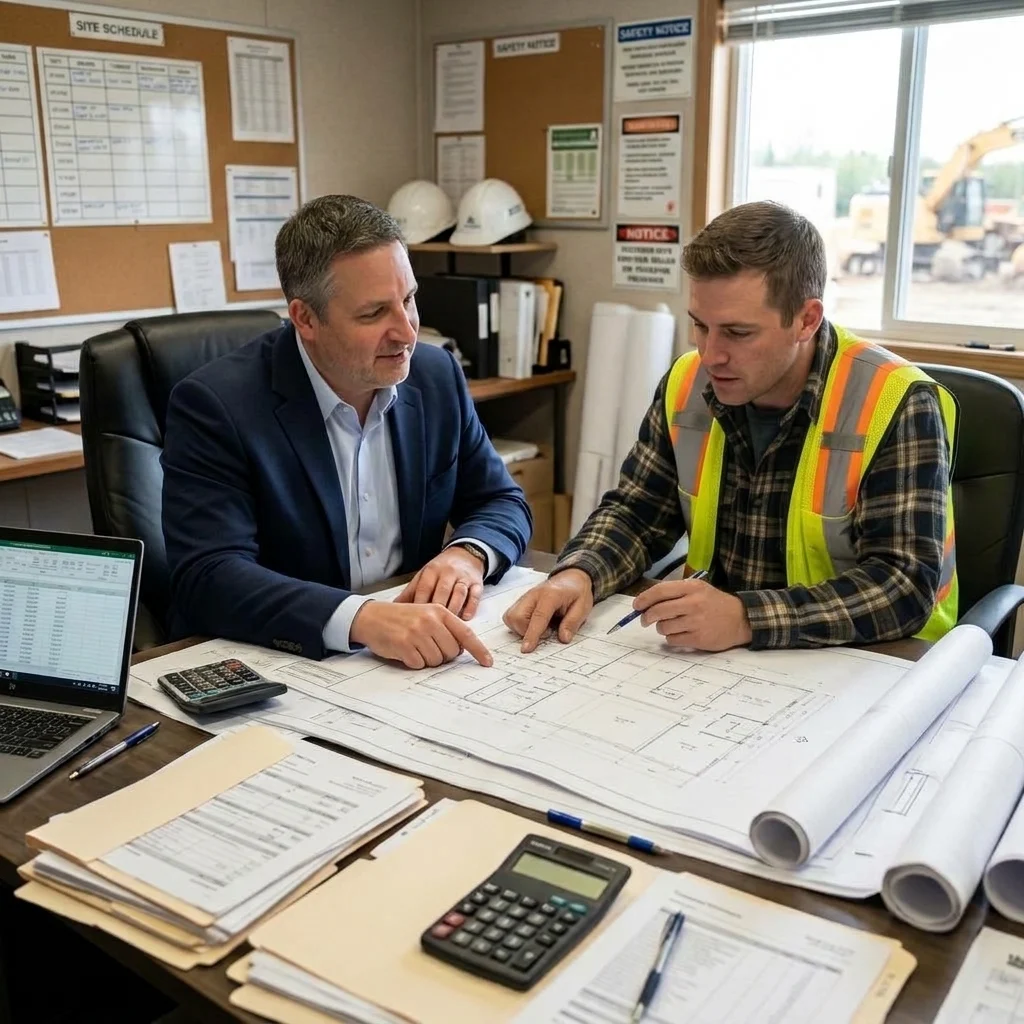
Building a home from the ground up can be exciting, but financing the project may feel unfamiliar if you have never built before. The good news is that prior construction experience is not always required to qualify for construction financing. Lenders often focus on the strength of your overall plan, your financial picture, and the people who will complete the work.
A construction loan is designed to help pay for a home while it is being built. Unlike a traditional mortgage, which usually provides funds to buy a finished home, construction financing releases money in stages as work moves forward. When construction is complete, the financing may be paid off or converted into a long-term mortgage, depending on the loan program.
Understanding how the process works can help you approach your first build with greater confidence.
How construction financing works
Before construction begins, you and your builder create a plan for the project. This usually includes the home’s design, construction timeline, estimated costs, and details about the land. The lender reviews these materials along with your income, assets, credit history, and other financial information.
Once the loan is approved and construction starts, funds are generally released through draws. A draw is a payment made after a planned stage of work is finished. For example, a draw may be tied to preparing the site, completing the foundation, or finishing major parts of the home. The lender may require an inspection or other proof of progress before releasing each payment.
This process helps confirm that the funds are being used for the project as planned. It also means your builder needs to understand the draw schedule and be prepared to submit the required paperwork.
Some construction loans cover both the building phase and the long-term mortgage. With this type of arrangement, the loan may convert to a permanent mortgage after the home is finished, subject to the loan’s terms and completion requirements. Other options may involve separate financing for construction and the finished home. The right structure depends on your plans, finances, and the loan program.
You do not need to know every detail before starting a conversation. A loan officer can explain the steps and help you understand which information you will need.
No prior building experience? Focus on preparation
A first-time builder may worry that a lack of experience will prevent loan approval. In many cases, the lender’s review is not based only on whether you have built a home before. It may also consider the builder’s experience, the project’s budget and plans, and your ability to manage the financial responsibilities involved.
Choosing a qualified builder is an important early step. Look for someone with a track record of completing projects like yours. Ask about licensing, insurance, references, and experience with the type of home you want to build. You should also feel comfortable discussing costs, timing, changes, and how the builder will communicate with you.
Your lender may review the builder’s background and request documents such as a construction contract, cost breakdown, plans, and proof of insurance. Requirements vary by loan program, so ask what will be needed for your situation. Gathering these materials early can help reduce delays later.
You may also want to ask the builder how they handle unexpected issues. Construction can involve changes in material costs, weather delays, or site conditions that were not clear at first. A clear process for discussing and approving changes can help you stay informed and protect your budget.
Create a realistic project budget
A detailed budget helps you and the lender understand what the project is expected to cost. Depending on the loan program and project, expenses may include the land, labor, building materials, permits, design work, utility connections, and other site costs. Your budget should also account for any items you plan to pay for outside the loan.
Ask your builder to explain the cost breakdown in plain language. Make sure you understand what is included in the contract and what could create an extra charge. For example, some items may be listed as allowances. An allowance is an estimated amount for a feature that has not yet been selected, such as flooring or lighting. If the final choice costs more than the allowance, you may need to cover the difference.
A contingency reserve can provide room for certain unexpected costs. Whether a reserve is required, allowed, or included in the loan depends on the loan program and the project. Discuss this with your loan officer and builder before finalizing your budget.
It is also wise to consider your household expenses during construction. You may need to keep paying rent, a current mortgage, or other bills while the new home is being built. Ask your loan officer how payments work during construction and what you should plan for at each stage.
Understand the land and property details
If you already own the land, tell your loan officer early. The land’s value and ownership may be considered as part of the financing, depending on the loan program. If you still need to buy land, ask how the purchase and construction plans may fit together. Some projects require the land to be secured before the construction loan can move forward.
The lender may also need information about the property’s access, utilities, zoning, and ability to support the planned home. A site that seems ready for building may still require surveys, permits, utility work, or other preparation. These items can affect both the timeline and the budget.
Before committing to a plan, confirm who is responsible for obtaining permits and arranging inspections. Your builder may handle many of these tasks, but it is helpful to know what is expected of you and when.
Plan for reviews, inspections, and timing
Construction financing includes more steps than a typical home purchase. The lender may review the plans and budget, verify the builder’s information, and arrange inspections before releasing funds. These reviews help confirm that the project is progressing as expected.
The construction timeline should allow for the time needed to complete paperwork and inspections. Ask your builder for a schedule that includes major milestones, and ask your loan officer how draw requests are handled. Find out who submits the request, what documents are needed, and how much time to allow for review.
Delays can happen even when everyone is prepared. Weather, permit processing, material availability, and changes to the plan can affect the schedule. Stay in regular contact with your builder and loan officer so you can respond quickly if something changes.
Know what may affect approval
As with other types of home financing, a lender will review your ability to repay the loan. This may include your income, employment, assets, monthly debts, credit history, and funds available for the project. The lender may also review the completed home’s estimated value and compare it with the loan request.
Avoid making major financial changes without first discussing them with your loan officer. Taking on new debt, changing jobs, or moving money between accounts may affect the loan review. If a change is necessary, explain it early so you can understand what documents may be needed.
Be ready to provide financial records and project documents when requested. Responding promptly can help keep the process moving. If a document is confusing, ask for clarification rather than guessing.
Make your first build more manageable
Start with a clear picture of the home you want and what matters most to you. Separate must-have features from items you could add later. This can help you make choices if the budget or plans need to change.
Keep important records together, including the construction contract, plans, budget, receipts, and written approvals for changes. Use one clear method to communicate with your builder and keep notes about key decisions. Good records can make it easier to track costs and answer questions during the project.
Most of all, ask questions as they come up. You do not need to be a construction expert to take part in the process. You do need a team that explains the steps, helps you understand the financing, and keeps you informed about what is needed next.
Every build is different, and the right financing plan depends on your goals, property, builder, budget, and financial situation. Reach out to one of our mortgage loan officers to go over your specific needs, understand the construction financing steps, and plan a path toward building your home.